Posts

My Son Is a Missionary

Image
A Single Photograph — A Mother Embracing Her Son on His Birthday A single photograph — a mother embracing her son on his birthday. A simple gesture, yet filled with meaning: longing, fear, and at the same time, the purest pride. Pride in seeing a son leave the comfort of home to obey the voice of God, departing with courage, fully aware of what this obedience would cost — both to him and to those who love him. To Pedro Viana and Matheus Viana , I dedicate this article and this Bible plan — and also to your parents, Fabi and Pastor Wilson , who have learned to live a faith that sends. To access the plan (In Portuguese for now. The plan will be published in English soon.) , click this link: https://www.bible.com/reading-plans/64379/ When the Call Is Not Yours — But Your Child’s The Difficult Surrender of Parents of Young Missionaries There comes a moment in the lives of some parents when the heart is deeply tested: the day a son or daughter arrives with shining eyes and says, “God has ...

Led by the Shepherd

Image
  “The Lord is my shepherd; I shall not want.” This statement does not begin with the absence of needs, but with the presence of Someone. When David declares, “I shall not want,” he is not saying that he would never pass through valleys, pain, or loss. He is affirming something deeper: the Lord would not fail him. Before speaking of provision, David speaks of relationship. I shall not want because He will not fail me. If the Shepherd is present, even in the valley, there is no essential lack. There may be a lack of answers, strength, or understanding, but there will never be the absence of the Shepherd. The security of the psalm is not in what one has, but in Whom one has. Nothing is promised to us apart from Him. In truth, we already know much of the Bible, but we often forget its simplest and deepest truths. Psalm 23 reminds us of this. There is no need to bring a “new truth,” as if the Word were outdated, but rather to allow God to bring renewal to our hearts through His l...

God’s Will Revealed

Image
God’s will is revealed in various ways in our lives and in Scripture. To understand it, it is essential to live wisely, make the most of every opportunity, and seek to discern His good, perfect, and pleasing will. Ephesians 5:15 and the Context of Ephesus One of the main differences between the wise and the foolish is how they use their time. Ephesians 5:15 warns us to live prudently, redeeming the time and understanding the Lord’s will. Paul writes to a church immersed in a pagan culture, calling believers to live distinctly, focused on Christ and the wisdom that comes from God. Romans 12:1-2: The Importance of Understanding Many blessings of God’s Kingdom are not fully experienced because they are not understood. For example, if someone does not grasp the significance of worship, they may attend but not fully enjoy the moment. Still, even without full understanding, obedience to God’s will remains essential. Sometimes life events seem incomprehensible, but we must trust and lear...

The Upper Room: A Call to a Higher Level of Faith

Image
 Pr. Alexandre Alves When Jesus sent Peter and John to prepare for the Passover, He instructed them to find a man carrying a jar of water who would lead them to a furnished upper room (Luke 22:10-12). This was no ordinary place—it was a space already prepared, a place of divine appointment. The upper room represents more than just a physical location; it symbolizes a spiritual elevation, a call to a deeper level of intimacy with God. A Prepared Space for a Divine Encounter The upper room was not empty or incomplete—it was furnished, ready to receive Jesus and His disciples. This detail is significant. It reminds us that when God calls us, He has already prepared the way. Often, we hesitate to step forward because we cannot see the full picture, but Jesus shows us that He is ahead of us, orchestrating every detail. Like Peter and John, we are called to obey even when we don’t fully understand. Trusting God means walking in faith, believing that what He has prepared is greater than w...

Building Living Bridges: Lessons of Patience and Perseverance in the Christian Journey

Image
In northeastern India, the Khasi and Jaintia communities practice the impressive art of building living bridges using the roots of the rubber fig tree ( Ficus elastica ). These bridges are not quick constructions; they are the result of patience, planning, and an intergenerational commitment to sustainability. The roots, guided by bamboo structures, take about five years to form an initial crossing and continue to be strengthened over decades, growing increasingly resilient. This fascinating practice offers profound spiritual lessons about building, perseverance, and maturity in faith . Patience and Building Christian Character Just as these bridges require years of cultivation and constant care, our Christian life is a journey of continuous growth . God calls us to develop a character that reflects the image of Christ, a transformation that does not happen instantly. James 1:4 encourages us: "Let perseverance finish its work so that you may be mature and complete, not lackin...

Trusting in God's Plan

Image
  Life often presents us with challenges that leave us questioning the path ahead. Unexpected pain, unanswered prayers, and unfulfilled dreams can shake our confidence and leave us wondering about the plans of God. Yet, Romans 8:28 reminds us of a profound truth: “And we know that in all things God works for the good of those who love him, who have been called according to his purpose.” This verse serves as an anchor for believers navigating the uncertainties of life. The Mystery of God’s Plans God’s purposes often defy human understanding. Isaiah 55:8-9 declares, “For my thoughts are not your thoughts, neither are your ways my ways,” declares the Lord. “As the heavens are higher than the earth, so are my ways higher than your ways and my thoughts than your thoughts.” Trusting in God’s purposes requires humility, acknowledging that His wisdom far surpasses our own. While we may not always see the full picture, we can rest assured that God is sovereign and faithful. Pain as a Pathwa...

Consciousness of the Presence of God

Image
 The presence of God is a constant reality in the lives of Christians, but we can often become distracted by daily demands and forget to live in full awareness that He is with us. This detachment from the perception of divine presence can weaken our faith and lead us to act as if we are alone. However, God has given us the Holy Spirit, who not only seals us as His property but also guides, comforts, and reminds us that we belong to Him. The Seal of the Holy Spirit: Guarantee and Presence In Romans 8:23 , we read about the “firstfruits of the Spirit,” which guarantee our adoption as children of God and our final redemption. This seal of the Spirit is a mark of divine ownership that assures us of protection, destiny, and authenticity as God’s people. Yet, the seal is more than a future guarantee; it is also a daily reminder that God is present in our lives. In Jeremiah 32 , the prophet is instructed to buy land in Anathoth, seal the deed, and place it in a clay jar. This act symboliz...

Unity and Restoration

Image
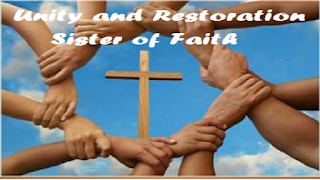
In the Christian journey, we all face moments of pain, exhaustion, and deep wounds—whether emotional, spiritual, or even physical. As soldiers of the Kingdom, we are in a continuous battle, and at times, the weight of these struggles can cause us to stumble. Just as in the armed forces, when a recruit becomes a soldier, there is a symbolic exchange of headgear, representing their readiness, competence, and belonging to the corps. In God's Kingdom, this spiritual transition also requires healing, restoration, and a renewal of purpose. What should we do when our wounds leave us unable to move forward? The answer lies in God’s restoring love and the mission of the Body of Christ to never leave behind a "wounded soldier." Acknowledging the Wounds The first step to healing is recognizing the wounds and bringing them into the light of God's presence. Often, we force ourselves to appear strong, ignoring our pain and vulnerabilities. However, God does not expect us to carry t...

The Transformative Encounter at Jacob's Well

Image
  The story of the Samaritan Woman in John 4 is much deeper than just a narrative about someone casually meeting Jesus. When we look closely, we see elements that challenge traditional interpretations and reveal the complexity and transformative power of an encounter with Christ. Let’s explore some key aspects of this passage. The Meeting at the Well The biblical text shows Jesus deliberately traveling through Samaria, something unusual for a Jew at that time. He stops at Jacob's well and, at noon, meets this woman. The time she goes to draw water already gives us clues about her social context. Traditionally, women went to the well early in the morning or late in the afternoon to avoid the heat of the day. Going at noon suggests she wanted to avoid people, perhaps due to shame or social isolation. However, by initiating the conversation, Jesus breaks not only cultural barriers but also spiritual ones. The simple act of asking a Samaritan woman for water was radical. In the origina...

Melchizedek: A Unique and Prophetic Figure

Image
When we analyze Scripture, the name Melchizedek stands out as one of the Bible's most enigmatic figures. He appears briefly, yet with a depth that challenges the reader to grasp his theological significance. Was Melchizedek merely a historical person, or did he represent something greater in God’s divine plan? Historical Context Melchizedek is first mentioned in Genesis 14:18-20, shortly after Abraham wins a battle to rescue his nephew Lot. He is introduced as the "King of Salem" and "Priest of God Most High." In this encounter, Melchizedek brings bread and wine, blesses Abraham, and receives a tithe of everything from him. His brief mention in Genesis is rich in symbolism and raises important questions: How did he become a priest? And why is he unconnected to the Levitical lineage, which would only be established much later? Melchizedek as a Prophecy of the Messiah In Psalm 110:4, David prophesies about the Messiah: “You are a priest forever, in the order of Me...

What have been your doubts?

Image
  When God Calls: Confronting Excuses, Fear, and Doubt in Fulfilling Our Divine Purpose In our journey with God, we often desire to experience His blessings and purposes for our lives. Yet, when the call to fulfill His plans confronts us, it’s common to respond with excuses, fear, and doubt. Just as Moses hesitated to embrace God’s purpose for him, we too can become bogged down by insecurities and pessimism that prevent us from living out our potential in God. The story of Moses’ call in Exodus 4 provides a striking reminder of both the human tendency to resist God’s call and the need to trust in His ability to work through us. 1. The Power of Excuses: Are We Sabotaging God’s Plans? God’s purposes for us are often greater than we imagine, calling us to growth and transformation. However, many of us respond to these purposes with excuses, viewing our limitations as obstacles to God’s work. We see this struggle in Moses' initial response to God’s call. When the Lord spoke to Moses th...

In God, We Will Do Mighty Deeds

Image
  In the Christian journey, the call to live in God’s power and to do great deeds is a profound invitation to move beyond human limitations and embrace a life of supernatural faith. Psalms 60:12 states, “With God we will gain victory,” reminding us that our achievements are not a result of our own strength but rather of God’s enabling presence. In John 14:12, Jesus expands this idea by saying, “Whoever believes in me will do the works I have been doing, and they will do even greater things than these.” This statement is bold and reveals God’s desire for His people to live in active, vibrant faith, engaging in “greater things” that reflect His nature and power. For many, however, this invitation may seem daunting, and often, we find ourselves questioning whether these “greater works” are indeed possible. The truth is that in God, we are called and empowered to do what seems impossible. The key lies in a personal revelation of who Jesus truly is and, through that, a deep understandin...

Be free

Image
 Freedom in Christ means more than just being free from sin; it also means being free from the Law and even from our own self-centered desires. Yet, to experience this freedom fully, we need to recognize the "rival loves" that vie for the space only Christ should occupy in our hearts. These rival loves include desires, passions, and distractions that compete for our attention and shift our focus away from putting Christ above all. Identifying these forces in our lives is essential if we are to live as Christ intends—free and fully devoted to Him. Jesus calls each of us into a relationship that is not only deep but also exclusive. Just as He loved us sacrificially and freed us completely, He desires that we respond by living in freedom through continuous renewal in His love. However, distractions are everywhere. From the demands of daily life to even good things that become obsessions, anything can transform into a rival love if it begins to occupy the space that should belong...

The greatest failure of humanity

Image
  The greatest failure of humanity, illustrated by the life of Judas Iscariot, serves as a warning to all about the consequences of wasting opportunities and making wrong choices. The story of Judas is one of the most well-known in the Bible, not only because of his betrayal of Jesus but also because of what that betrayal symbolizes: the rejection of the greatest opportunity for transformation and salvation. Judas had everything within his reach to be an example of redemption. He was chosen by Jesus, after a night of prayer, to be one of the twelve apostles. This gave him the privilege of walking alongside Christ, hearing His teachings, witnessing miracles, and seeing the very Son of God in action. He participated in the multiplication of the loaves and fishes, saw the blind receive their sight, and witnessed the dead being raised. Despite all this access to the truth, Judas did not take the opportunity to fully surrender to Jesus. His mistake was not just an isolated act of betray...

Holiness: A Call for All Generations

Image
  Holiness, often understood as a state of moral and spiritual purity, is God's call to His children throughout all ages. In the face of the challenges of the modern world, where cultural values often clash with Christian principles, living a life set apart for God can seem increasingly difficult. However, the command to pursue holiness remains unchanged and is vital for those who wish to see the Lord. This article explores the meaning of holiness in light of the Scriptures, highlighting the importance of a life of separation, correction, transformation, and constant communion with God. Holiness and Separation from the World (Hebrews 12:14) The author of Hebrews challenges us with this exhortation: "Pursue peace with all people, and holiness, without which no one will see the Lord" (Hebrews 12:14). Sanctification, or holiness, is the process of being set apart for God, which implies living according to His teachings and rejecting values and practices that are contrary to ...

The Love that bring us back

Image
  Luke 15:4-5 presents one of Jesus' most beautiful parables, the Good Shepherd seeking his lost sheep. In Luke 15:4-5, we read: "Suppose one of you has a hundred sheep and loses one of them. Doesn’t he leave the ninety-nine in the open country and go after the lost sheep until he finds it? And when he finds it, he joyfully puts it on his shoulders and goes home." This passage illustrates the immense love and care of God for each of us. Even when we stray from the path, the Good Shepherd never gives up on us. He seeks us with patience and tenderness until He brings us back to the safety of His presence. How often, in the midst of our daily struggles, do we feel lost, like that sheep wandering away from the flock? The emptiness, the sense of loneliness, and the search for answers in the wrong places make us feel disconnected and directionless. Yet, just like the shepherd in the parable, Jesus sees us in our distress and comes to our rescue. He not only finds us, but He ca...

Holiness: A Call for Our Times

Image
  Holiness, often understood as a state of moral and spiritual purity, is a call from God to His children throughout all ages. Amid the challenges of the modern world, where cultural values often clash with Christian principles, living a life set apart for God can seem increasingly difficult. However, the command to seek holiness remains unchanged and vital for those who desire to see the Lord. This article explores the meaning of holiness in light of the Scriptures, highlighting the importance of a life of separation, correction, transformation, and constant communion with God. Holiness and Separation from the World (Hebrews 12:14) The author of Hebrews challenges us with the following exhortation: "Pursue peace with all people, and holiness, without which no one will see the Lord" (Hebrews 12:14). Sanctification, or holiness, is the process of being set apart for God, which implies living according to His teachings and rejecting values and practices that conflict with His w...

The Power of Forgiveness

Image
 Forgiveness is a deeply transformative act, and while many focus on the importance of forgiving others, self-forgiveness is equally crucial. The way we judge ourselves, often harsher than the judgment we receive from others, can leave us trapped in a cycle of guilt, shame, and self-condemnation. In this article, we will explore the steps toward self-forgiveness, drawing from a reflective devotional journey to understand how to extend grace and mercy to ourselves, just as we are called to do with others. Facing the Reality of Our Mistakes When Adam and Eve sinned in the Garden of Eden, their first reaction was to hide—using fig leaves to cover their shame and guilt. This instinct to conceal our mistakes is common to all of us. We often try to mask our errors with excuses, distractions, or defensive behaviors. However, just as hiding did not solve Adam and Eve’s problem, avoiding or denying our mistakes only prolongs the pain. Facing the reality of our sins head-on is the first step...